

 Image 1 of 2
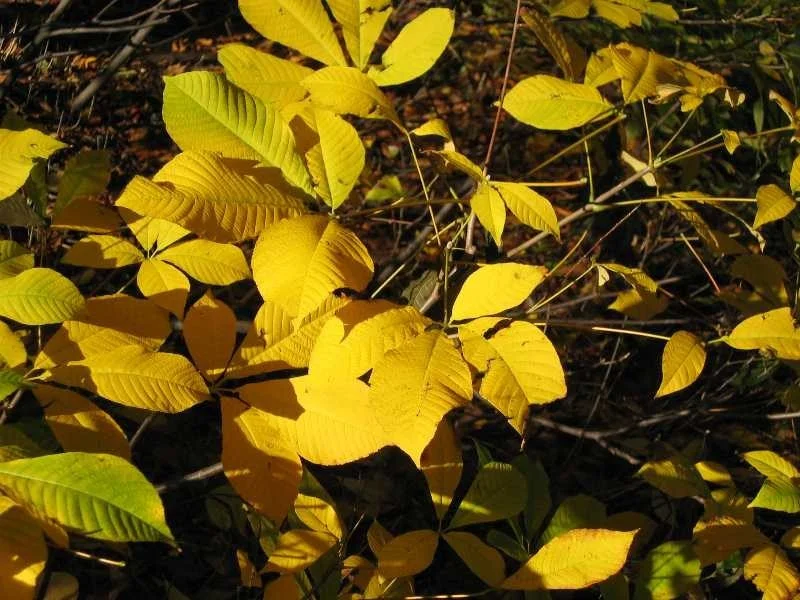 Image 2 of 2
Aesculus parviflora
Type: Deciduous shrub
Native Range: Southeastern United States
Height: 8.00 to 12.00 feet
pread: 8.00 to 15.00 feet
Bloom Time: June to July
Bloom Description: White with red anthers
Sun: Part shade to full shade
Water: Medium
Maintenance: Low
Attracts: Butterflies
Tolerate: Rabbit, Deer, Erosion, Wet Soil
Easily grown in average, evenly moist, well-drained soils in part shade to full shade. Prefers rich, moist loams. Intolerant of dry soils, particularly in the early years before its root system becomes well established.
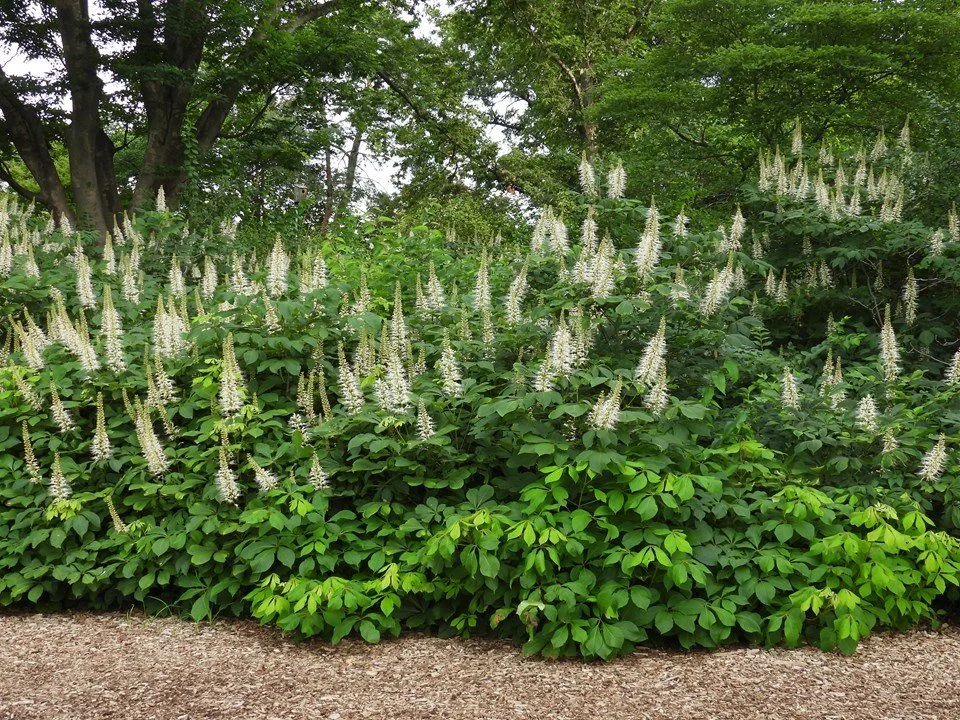
Aesculus parviflora. commonly called bottlebrush buckeye, is noted for being one of the best summer-flowering shrubs for shade areas. It is a dense, mounded, suckering, deciduous, multi-stemmed shrub which typically grows 6-12' tall. Features palmate green leaves (5-7 leaflets) and erect, showy, cylindrical panicles (to 12" long) of tubular white flowers with conspicuous red anthers and pinkish filaments.
Genus name is the Latin name for a kind of oak bearing edible acorns but applied by Linnaeus to this genus.
Specific epithet means small flowers.
No serious insect or disease problems.
Aesculus parviflora
Type: Deciduous shrub
Native Range: Southeastern United States
Height: 8.00 to 12.00 feet
pread: 8.00 to 15.00 feet
Bloom Time: June to July
Bloom Description: White with red anthers
Sun: Part shade to full shade
Water: Medium
Maintenance: Low
Attracts: Butterflies
Tolerate: Rabbit, Deer, Erosion, Wet Soil
Easily grown in average, evenly moist, well-drained soils in part shade to full shade. Prefers rich, moist loams. Intolerant of dry soils, particularly in the early years before its root system becomes well established.
Aesculus parviflora. commonly called bottlebrush buckeye, is noted for being one of the best summer-flowering shrubs for shade areas. It is a dense, mounded, suckering, deciduous, multi-stemmed shrub which typically grows 6-12' tall. Features palmate green leaves (5-7 leaflets) and erect, showy, cylindrical panicles (to 12" long) of tubular white flowers with conspicuous red anthers and pinkish filaments.
Genus name is the Latin name for a kind of oak bearing edible acorns but applied by Linnaeus to this genus.
Specific epithet means small flowers.
No serious insect or disease problems.