

 Image 1 of 2
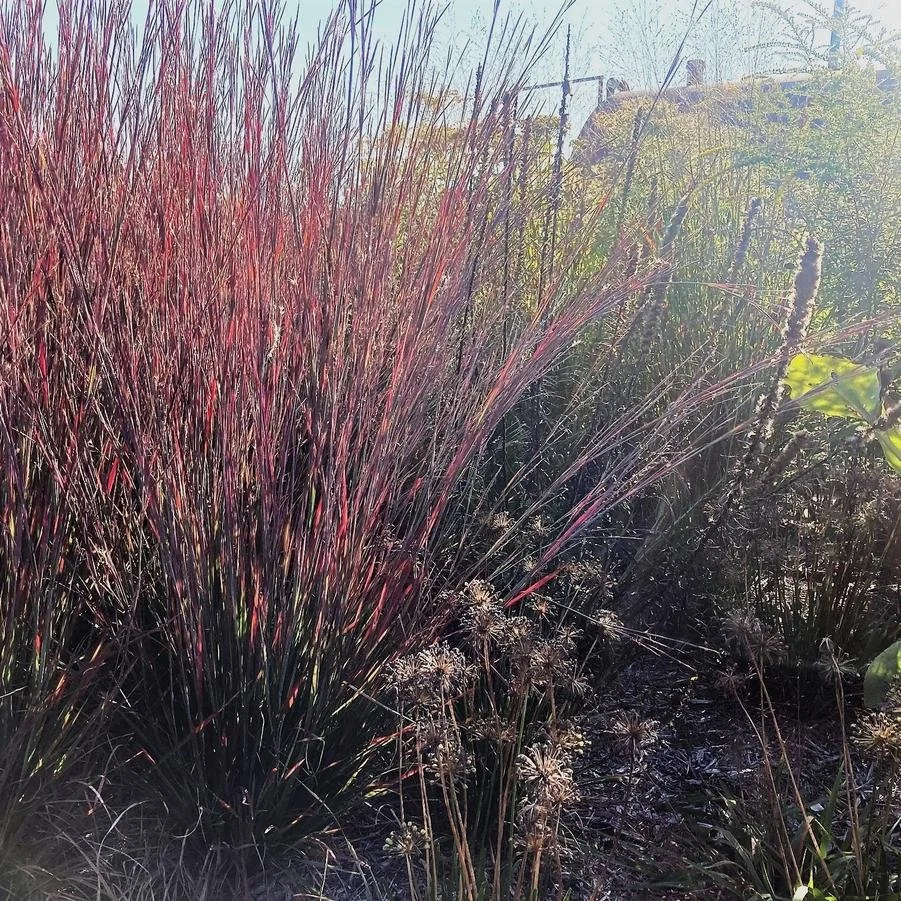 Image 2 of 2
Schizachyrium scoparium ‘Standing Ovation’
Selected for its upright habit and electrifying fall color
Does well in poor, dry soils
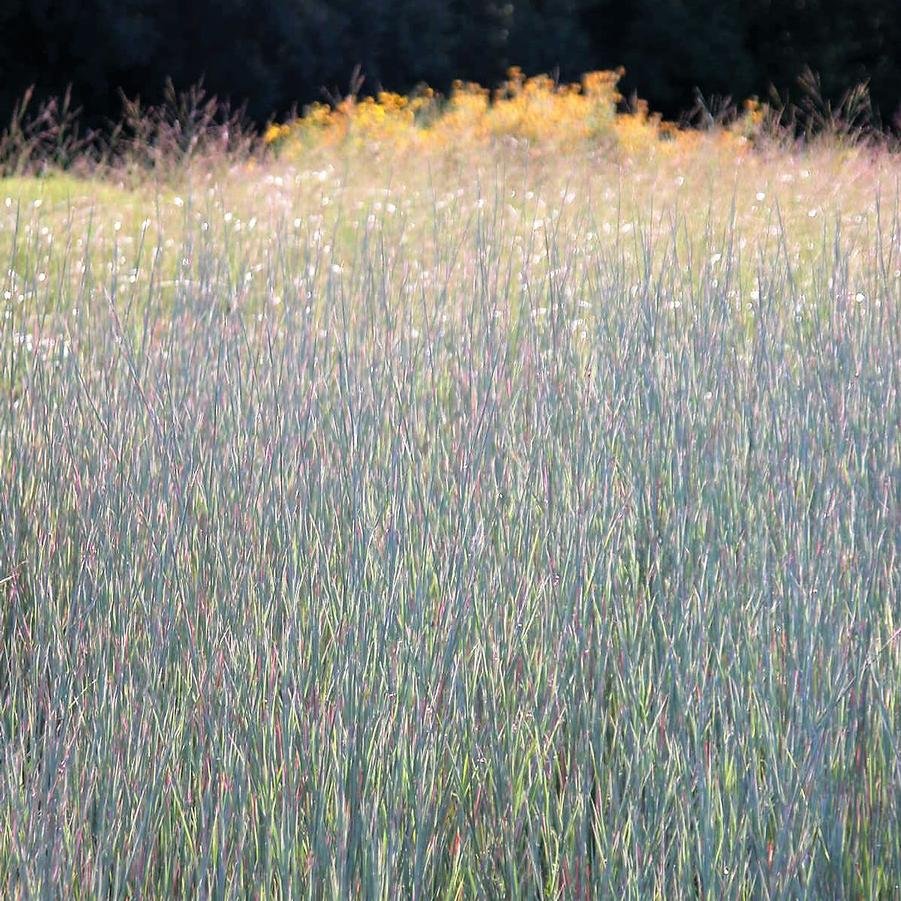
Bluish-green stems and leaves transition to a sizzling display of oranges, reds, yellows, and purplish-browns in the fall
Category:Grasses, Native Selection
Height:3-4 ft
Foliage Color:Blue- Purple
Cut to the ground in late winter to early spring.
Easily grown in average, dry to medium moisture, well-drained soil in full sun. Tolerates a wide range of soil conditions. Tolerates clay soils and occasional inundation. Performs well in poor soils. Good drought resistance once established. Tolerates high heat and humidity. Plant in full sun to avoid flopping late in the season.
Schizachyrium scoparium, commonly called little bluestem, is native to prairies, fields, clearings, hills, limestone glades, roadsides, waste areas and open woods from Alberta to Quebec south to Arizona and Florida. It was one of the dominant grasses of the vast tallgrass prairie region which once covered rich and fertile soils in many parts of central North America. It typically matures to 2-4’ (less frequently to 5’) tall, and features upright clumps of slender, flat, linear green leaves (to 1/4“ wide), with each leaf having a tinge of blue at the base. The foliage turns shades of bronze-orange in the fall. Purplish-bronze flowers appear in 3” long racemes on branched stems rising above the foliage in August. Flowers are followed by clusters of fluffy, silvery-white seed heads which are attractive and often persist into winter. The seeds are eaten by many species of birds.
Genus name comes from the Latin schizein meaning to split and achyron meaning chaff.
Specific epithet means broomlike.
Common name is in reference to the lavender-blue color on the stem bases.
‘Standing Ovation’ is a cultivar which features blue leaf blades with red tips. Leaf blades are wider than those found on straight species plants. Fall color consists of attractive shades of red and maroon, with retention of such colors continuing late in the season (no “brown out”). The upright and rigid plant habit of this cultivar is typically retained without lodging when plants are grown in rich soils. ‘Standing Ovation’ was discovered as a naturally occurring whole plant mutation in Landenberg, Pennsylvania in the summer of 2003. Parentage is unknown, but ‘The Blues’ is considered to be a likely parent. U.S. Plant Patent PP25,202 was issued on December 30, 2014.
No serious insect or disease problems.
Schizachyrium scoparium ‘Standing Ovation’
Selected for its upright habit and electrifying fall color
Does well in poor, dry soils
Bluish-green stems and leaves transition to a sizzling display of oranges, reds, yellows, and purplish-browns in the fall
Category:Grasses, Native Selection
Height:3-4 ft
Foliage Color:Blue- Purple
Cut to the ground in late winter to early spring.
Easily grown in average, dry to medium moisture, well-drained soil in full sun. Tolerates a wide range of soil conditions. Tolerates clay soils and occasional inundation. Performs well in poor soils. Good drought resistance once established. Tolerates high heat and humidity. Plant in full sun to avoid flopping late in the season.
Schizachyrium scoparium, commonly called little bluestem, is native to prairies, fields, clearings, hills, limestone glades, roadsides, waste areas and open woods from Alberta to Quebec south to Arizona and Florida. It was one of the dominant grasses of the vast tallgrass prairie region which once covered rich and fertile soils in many parts of central North America. It typically matures to 2-4’ (less frequently to 5’) tall, and features upright clumps of slender, flat, linear green leaves (to 1/4“ wide), with each leaf having a tinge of blue at the base. The foliage turns shades of bronze-orange in the fall. Purplish-bronze flowers appear in 3” long racemes on branched stems rising above the foliage in August. Flowers are followed by clusters of fluffy, silvery-white seed heads which are attractive and often persist into winter. The seeds are eaten by many species of birds.
Genus name comes from the Latin schizein meaning to split and achyron meaning chaff.
Specific epithet means broomlike.
Common name is in reference to the lavender-blue color on the stem bases.
‘Standing Ovation’ is a cultivar which features blue leaf blades with red tips. Leaf blades are wider than those found on straight species plants. Fall color consists of attractive shades of red and maroon, with retention of such colors continuing late in the season (no “brown out”). The upright and rigid plant habit of this cultivar is typically retained without lodging when plants are grown in rich soils. ‘Standing Ovation’ was discovered as a naturally occurring whole plant mutation in Landenberg, Pennsylvania in the summer of 2003. Parentage is unknown, but ‘The Blues’ is considered to be a likely parent. U.S. Plant Patent PP25,202 was issued on December 30, 2014.
No serious insect or disease problems.