

 Image 1 of 2
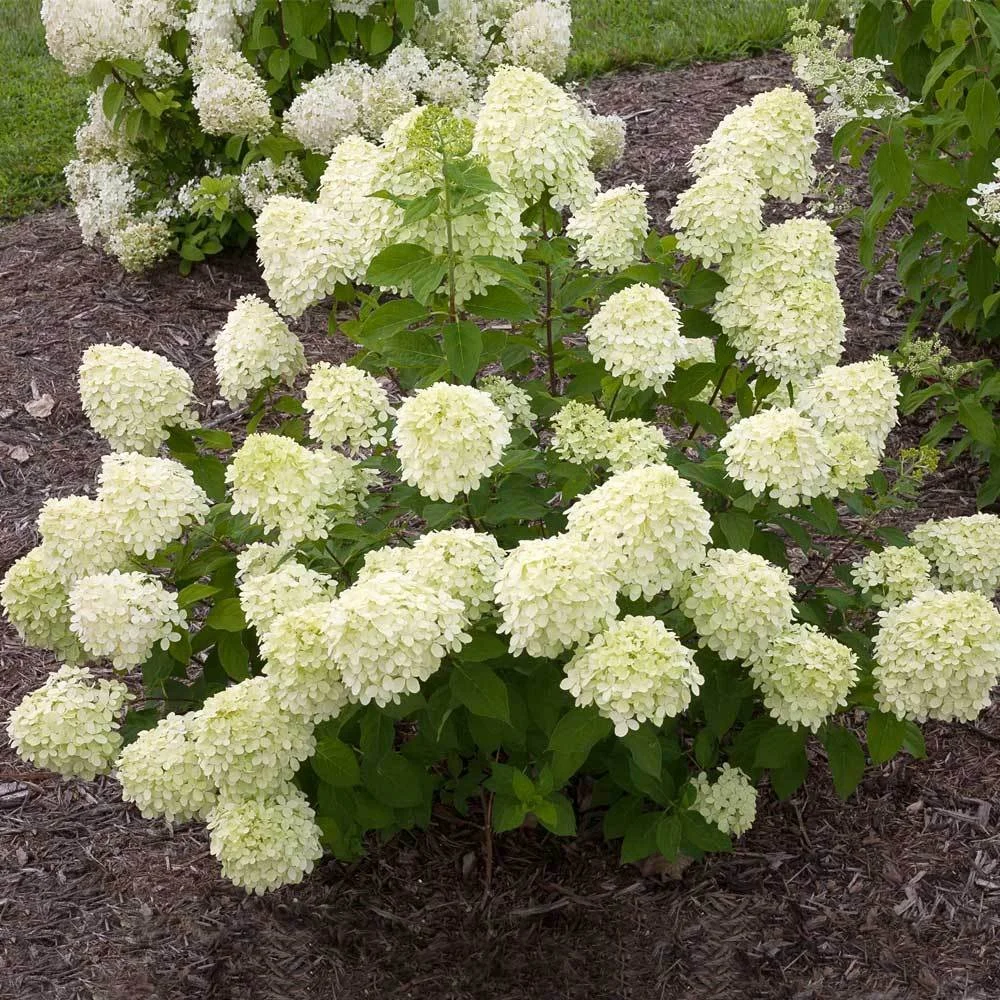 Image 2 of 2
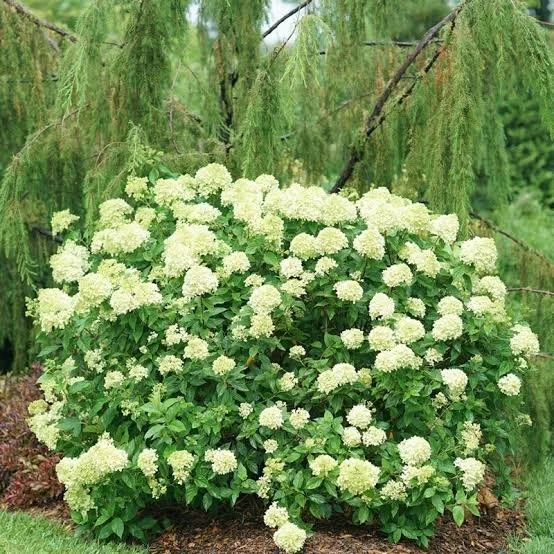
Hydrangea paniculata ‘Jane’
Mature Height:3-4 ft
.Mature Width:3-4 ft.
Sunlight:Partial Shade
Bloom Season(s):Spring Blooming, Summer Blooming, Fall Blooming
Growth Rate:Moderate Growing
These types of hydrangeas bloom on new wood. This makes them one of the easiest hydrangeas to prune as they can be pruned almost any time of year, except summer. They usually bloom in late summer so if you prune them at this time of year you’ll end up cutting off most of the flowers.
Many gardeners prefer to prune in late winter – it’s easier to see the branch structure and reach into the interior of the shrub when there are no leaves on the plant.
Panicle hydrangeas do not need to be pruned every year but, as a general rule of thumb, removing about 1/3 of the oldest branches each year will make for a fuller and healthier shrub.
You would normally prune panicle hydrangeas for the following reasons:
to create a more pleasing shape,
to control growth,
to remove dead flowers,
to remove crossing branches, or
to eliminate dead, damaged, or diseased stems.
Best grown in organically rich, medium moisture, well-drained soils in full sun to part shade. Can be trained as a small single trunk tree, but is best grown as a large, multi-stemmed shrub. It thrives in urban conditions. Bloom occurs on current season’s growth, so prune as needed in late winter to early spring.
Hydrangea paniculata, commonly called panicle hydrangea, is a vigorous, upright, rapid-growing, somewhat coarsely textured, deciduous shrub that is native to China and Japan. It typically grows to 8-15’ (less frequently to 25’) tall, and features oval to ovate dark green leaves and upright, sharply-pointed, conical, terminal flower panicles (to 6-8” long) containing both fertile and sterile flowers (mostly non-showy fertile flowers) that bloom from mid-summer into fall.
The genus name Hydrangea comes from hydor meaning "water" and aggeion meaning "vessel", in reference to the cup-like capsular fruits.
The specific epithet paniculata refers to the arrangement of the flowers in panicles.
Some susceptibility to bud blight, bacterial wilt, leaf spot, rust and mildew. Aphids and mites are occasional visitors.
Mass or group in a mixed shrub border or open woodland garden. Also effective as a lawn specimen, accent or hedge. Provides late summer bloom when few other shrubs are in flower.
Hydrangea paniculata ‘Jane’
Mature Height:3-4 ft
.Mature Width:3-4 ft.
Sunlight:Partial Shade
Bloom Season(s):Spring Blooming, Summer Blooming, Fall Blooming
Growth Rate:Moderate Growing
These types of hydrangeas bloom on new wood. This makes them one of the easiest hydrangeas to prune as they can be pruned almost any time of year, except summer. They usually bloom in late summer so if you prune them at this time of year you’ll end up cutting off most of the flowers.
Many gardeners prefer to prune in late winter – it’s easier to see the branch structure and reach into the interior of the shrub when there are no leaves on the plant.
Panicle hydrangeas do not need to be pruned every year but, as a general rule of thumb, removing about 1/3 of the oldest branches each year will make for a fuller and healthier shrub.
You would normally prune panicle hydrangeas for the following reasons:
to create a more pleasing shape,
to control growth,
to remove dead flowers,
to remove crossing branches, or
to eliminate dead, damaged, or diseased stems.
Best grown in organically rich, medium moisture, well-drained soils in full sun to part shade. Can be trained as a small single trunk tree, but is best grown as a large, multi-stemmed shrub. It thrives in urban conditions. Bloom occurs on current season’s growth, so prune as needed in late winter to early spring.
Hydrangea paniculata, commonly called panicle hydrangea, is a vigorous, upright, rapid-growing, somewhat coarsely textured, deciduous shrub that is native to China and Japan. It typically grows to 8-15’ (less frequently to 25’) tall, and features oval to ovate dark green leaves and upright, sharply-pointed, conical, terminal flower panicles (to 6-8” long) containing both fertile and sterile flowers (mostly non-showy fertile flowers) that bloom from mid-summer into fall.
The genus name Hydrangea comes from hydor meaning "water" and aggeion meaning "vessel", in reference to the cup-like capsular fruits.
The specific epithet paniculata refers to the arrangement of the flowers in panicles.
Some susceptibility to bud blight, bacterial wilt, leaf spot, rust and mildew. Aphids and mites are occasional visitors.
Mass or group in a mixed shrub border or open woodland garden. Also effective as a lawn specimen, accent or hedge. Provides late summer bloom when few other shrubs are in flower.