

 Image 1 of 3
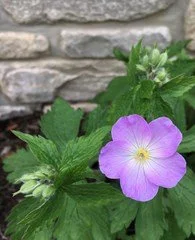 Image 2 of 3
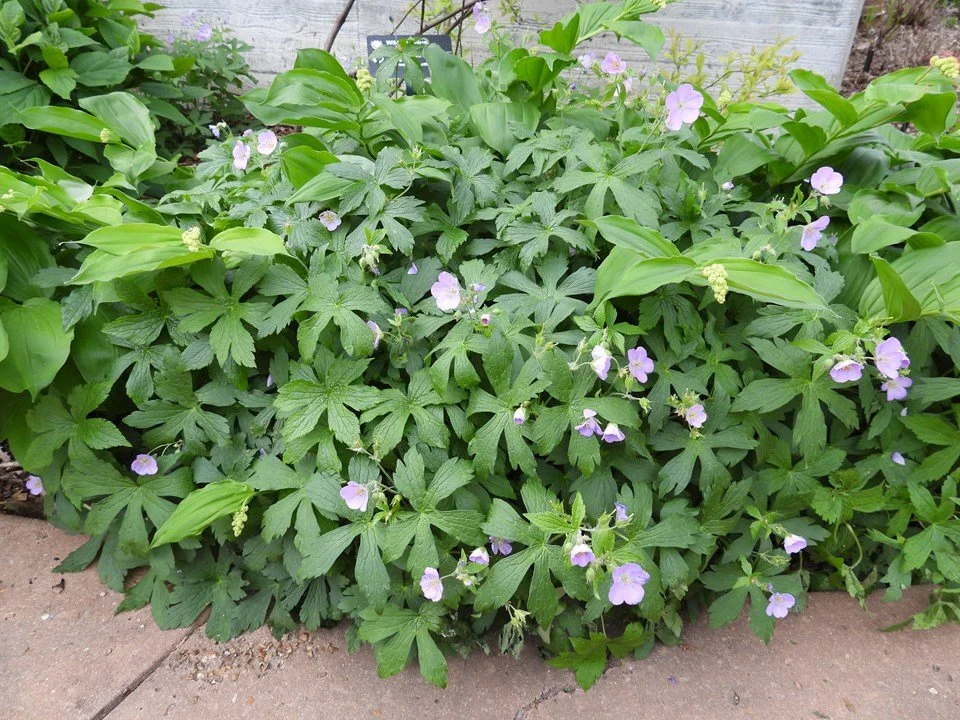 Image 3 of 3
Geranium maculatum
Type: Herbaceous perennial
Height: 1.50 to 2.00 feet
Spread: 1.00 to 1.50 feet
Bloom Time: April to May
Bloom Description: Pale pink, deep pink, lilac
Sun: Full sun to part shade
Water: Medium
Maintenance: Medium
Flower: Showy
Attracts: Birds, Butterflies
Tolerate: Rabbit, Deer, Drought, Dry Soil
Easily grown in average, medium, well-drained soil in full sun to part shade. Prefers moist, humusy soils, but tolerates poor soils. Will naturalize in optimum growing conditions. Deadheading is tedious and probably unnecessary since plants usually do not repeat bloom. Foliage may yellow in hot summers if soil is allowed to dry out. Foliage may decline after flowering in hot summer climates, at which point it may be lightly sheared back and shaped to revitalize.
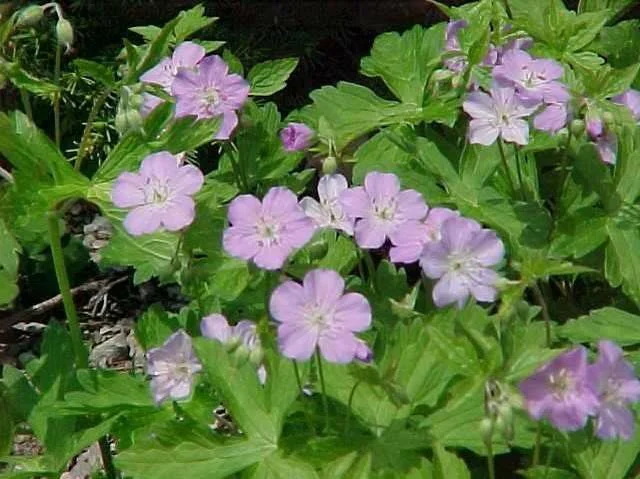
Geranium maculatum is a clump-forming, herbaceous, woodland perennial which typically occurs in woods, thickets and shaded roadside areas throughout the eastern United States. Forms a mound of foliage that grows to 24" tall and 18" wide. Features 1 1/4" diameter, pink to lilac, saucer-shaped, upward facing, 5-petaled flowers in spring for a period of 6-7 weeks. Deeply cut, palmately 5-lobed, dark green leaves (to 6" across). Flowers give way to distinctive, beaked seed capsules which give rise to the common name of crane's bill. The maturing seeds are eaten by birds.
Genus name comes from the Greek word geranos meaning crane in reference to the fruit which purportedly resembles the head and beak of a crane.
Specific epithet means spotted.
No serious insect or disease problems. Rust and leaf spot may occur. Watch for snails and slugs.
Best in part shade areas of borders and woodland gardens. Mass for ground cover.