

 Image 1 of 2
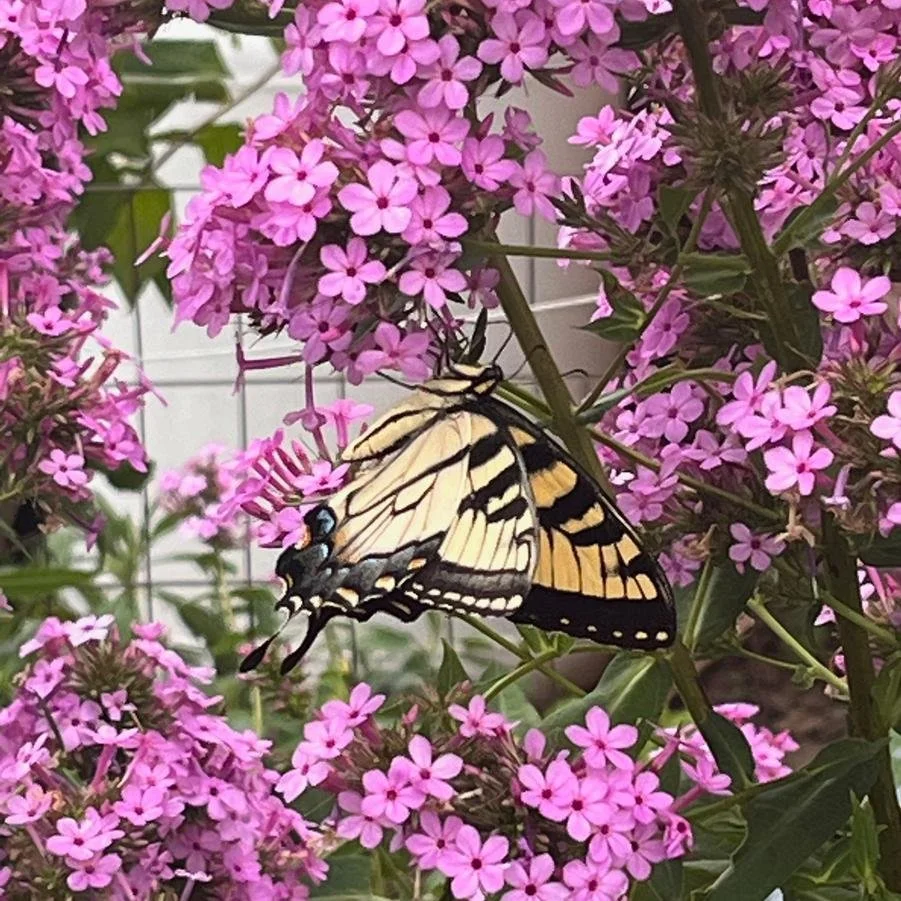 Image 2 of 2
Phlox paniculata ‘Jeana’
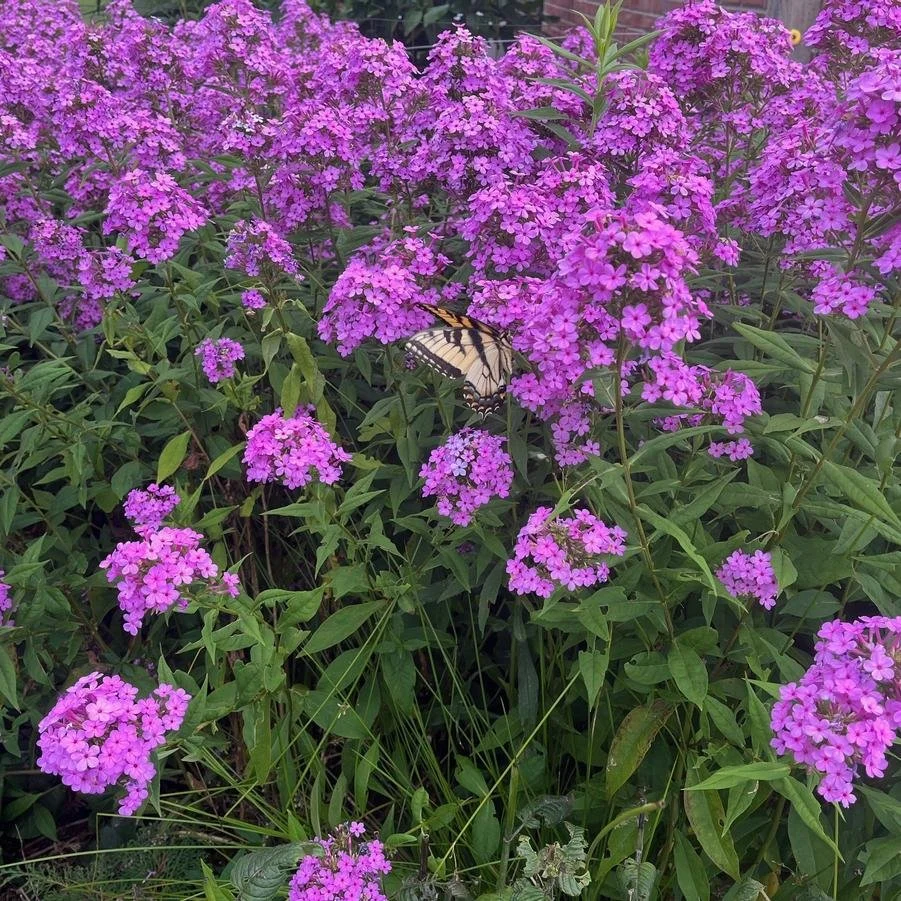
'Jeana' is an uncommon garden phlox notable for its long bloom season and sweetly fragrant lavender-pink flowers.
It is cold-hardy, exceptionally mildew-resistant, and highly attractive to butterflies.
'Jeana' was the top rated phlox in the Mt. Cuba Center's 2015-2017 trial.
Category: Perennials, Native Selection
Height: 36-60 in
Spread: 36-48 in
Bloom Color: Lavender Pink
Foliage Color: Green
Grow in moderately fertile, medium moisture, well-drained soil in full sun to light shade. Best in full sun. Prefers rich, moist, organic soils. Also prefers climates with mild summers compared to very hot and humid conditions. Needs good air circulation (space well and thin out stems as needed) to help combat potential powdery mildew problems. Intolerant of drought and needs to be watered in dry spells. Avoid overhead watering however. Appreciates a summer mulch which helps keep the root zone cool. For winter, cut plants to the ground and remove from the garden plus clean up all plant areas in order to minimize possible powdery mildew infection for the following growing season. Remove faded flower panicles to prolong bloom period and to prevent unwanted self-seeding (cultivars generally do not come true from seed).
Phlox paniculata, commonly known as garden phlox, is native from New York to Iowa south to Georgia, Mississippi and Arkansas. Butterflies and hummingbirds love the flowers.
The genus name is derived from the Greek word phlox meaning flame in reference to the intense flower colors of some varieties.
Specific epithet refers to the plant bearing flowers in panicles.
‘Jeana’ produces fragrant tubular lavender-pink florets (to 1/2” diameter) densely packed in large tiered terminal clusters (to 6" long) over a long July to October bloom period. Each individual floret has a long corolla tube and five flat petal-like lobes. Butterflies love the flowers. Notwithstanding its attractive flowers, 'Jeana' stands out as having excellent resistance to powdery mildew. It was discovered by Jeana Prewitt along the Harpeth River in Nashville, Tennessee. It is an upright, conical perennial that typically grows in a clump to 2-4' tall and to 3' wide on stiff stems clad with narrow, opposite, pointed, elliptic, deep green leaves (to 4” long).
'Jeana' is noted for having excellent resistance to powdery mildew.
Garden phlox is a staple of the perennial border. Mixes well with other perennials and provides long summer bloom. Regardless of flower color, garden phlox is attractive to hummingbirds and is a good selection for inclusion in a bird garden.
Phlox paniculata ‘Jeana’
'Jeana' is an uncommon garden phlox notable for its long bloom season and sweetly fragrant lavender-pink flowers.
It is cold-hardy, exceptionally mildew-resistant, and highly attractive to butterflies.
'Jeana' was the top rated phlox in the Mt. Cuba Center's 2015-2017 trial.
Category: Perennials, Native Selection
Height: 36-60 in
Spread: 36-48 in
Bloom Color: Lavender Pink
Foliage Color: Green
Grow in moderately fertile, medium moisture, well-drained soil in full sun to light shade. Best in full sun. Prefers rich, moist, organic soils. Also prefers climates with mild summers compared to very hot and humid conditions. Needs good air circulation (space well and thin out stems as needed) to help combat potential powdery mildew problems. Intolerant of drought and needs to be watered in dry spells. Avoid overhead watering however. Appreciates a summer mulch which helps keep the root zone cool. For winter, cut plants to the ground and remove from the garden plus clean up all plant areas in order to minimize possible powdery mildew infection for the following growing season. Remove faded flower panicles to prolong bloom period and to prevent unwanted self-seeding (cultivars generally do not come true from seed).
Phlox paniculata, commonly known as garden phlox, is native from New York to Iowa south to Georgia, Mississippi and Arkansas. Butterflies and hummingbirds love the flowers.
The genus name is derived from the Greek word phlox meaning flame in reference to the intense flower colors of some varieties.
Specific epithet refers to the plant bearing flowers in panicles.
‘Jeana’ produces fragrant tubular lavender-pink florets (to 1/2” diameter) densely packed in large tiered terminal clusters (to 6" long) over a long July to October bloom period. Each individual floret has a long corolla tube and five flat petal-like lobes. Butterflies love the flowers. Notwithstanding its attractive flowers, 'Jeana' stands out as having excellent resistance to powdery mildew. It was discovered by Jeana Prewitt along the Harpeth River in Nashville, Tennessee. It is an upright, conical perennial that typically grows in a clump to 2-4' tall and to 3' wide on stiff stems clad with narrow, opposite, pointed, elliptic, deep green leaves (to 4” long).
'Jeana' is noted for having excellent resistance to powdery mildew.
Garden phlox is a staple of the perennial border. Mixes well with other perennials and provides long summer bloom. Regardless of flower color, garden phlox is attractive to hummingbirds and is a good selection for inclusion in a bird garden.