

 Image 1 of 2
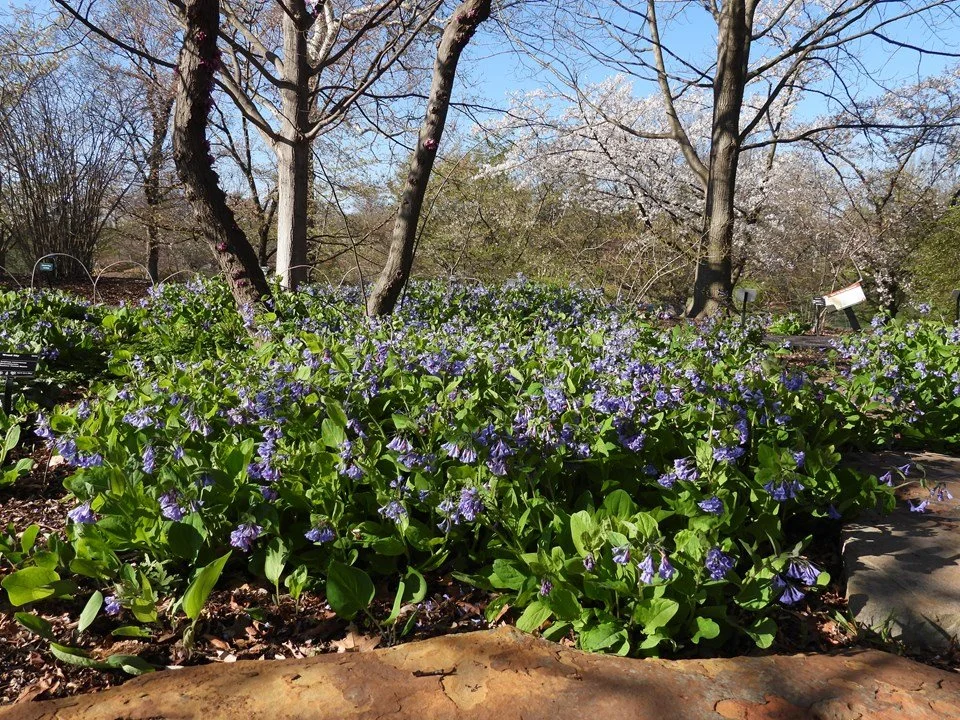 Image 2 of 2
Mertensia virginica
Height: 1.5-2’
Spread: 1-1.5’
Sun Exposure: part to full shade
Soil Moisture: average
Bloom Time: spring
Bloom Color: blue
Foliage Color: green
US Native: yes
Wildlife Benefit: pollinators
Notes: rabbit tolerant, black walnut tolerant
Easily grown in average, medium, well-drained soils in part shade to full shade. Prefers moist, rich soils.
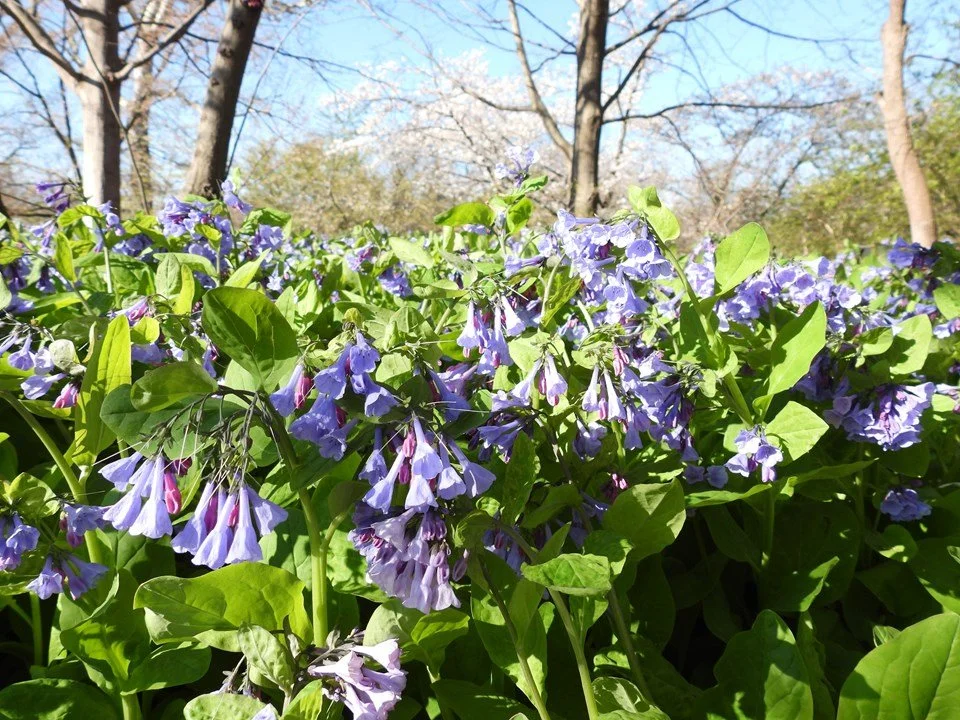
Mertensia virginica, commonly called Virginia bluebells, is a native wildflower that occurs statewide in moist, rich woods and river floodplains. An erect, clump-forming perennial which grows 1-2' tall and features loose, terminal clusters of pendulous, trumpet-shaped, blue flowers (to 1" long) which bloom in early spring. Flower buds are pink and flowers emerge with a pinkish cast before turning blue. Smooth, oval, bluish green leaves (to 4" long). Foliage dies to the ground by mid-summer as the plant goes dormant.
Genus name honors Franz Carl Mertens (1764-1831), professor of botany at Bremen.
Specific epithet means of Virginia.
No serious insect or disease problems.
Mertensia virginica
Height: 1.5-2’
Spread: 1-1.5’
Sun Exposure: part to full shade
Soil Moisture: average
Bloom Time: spring
Bloom Color: blue
Foliage Color: green
US Native: yes
Wildlife Benefit: pollinators
Notes: rabbit tolerant, black walnut tolerant
Easily grown in average, medium, well-drained soils in part shade to full shade. Prefers moist, rich soils.
Mertensia virginica, commonly called Virginia bluebells, is a native wildflower that occurs statewide in moist, rich woods and river floodplains. An erect, clump-forming perennial which grows 1-2' tall and features loose, terminal clusters of pendulous, trumpet-shaped, blue flowers (to 1" long) which bloom in early spring. Flower buds are pink and flowers emerge with a pinkish cast before turning blue. Smooth, oval, bluish green leaves (to 4" long). Foliage dies to the ground by mid-summer as the plant goes dormant.
Genus name honors Franz Carl Mertens (1764-1831), professor of botany at Bremen.
Specific epithet means of Virginia.
No serious insect or disease problems.