

 Image 1 of 2
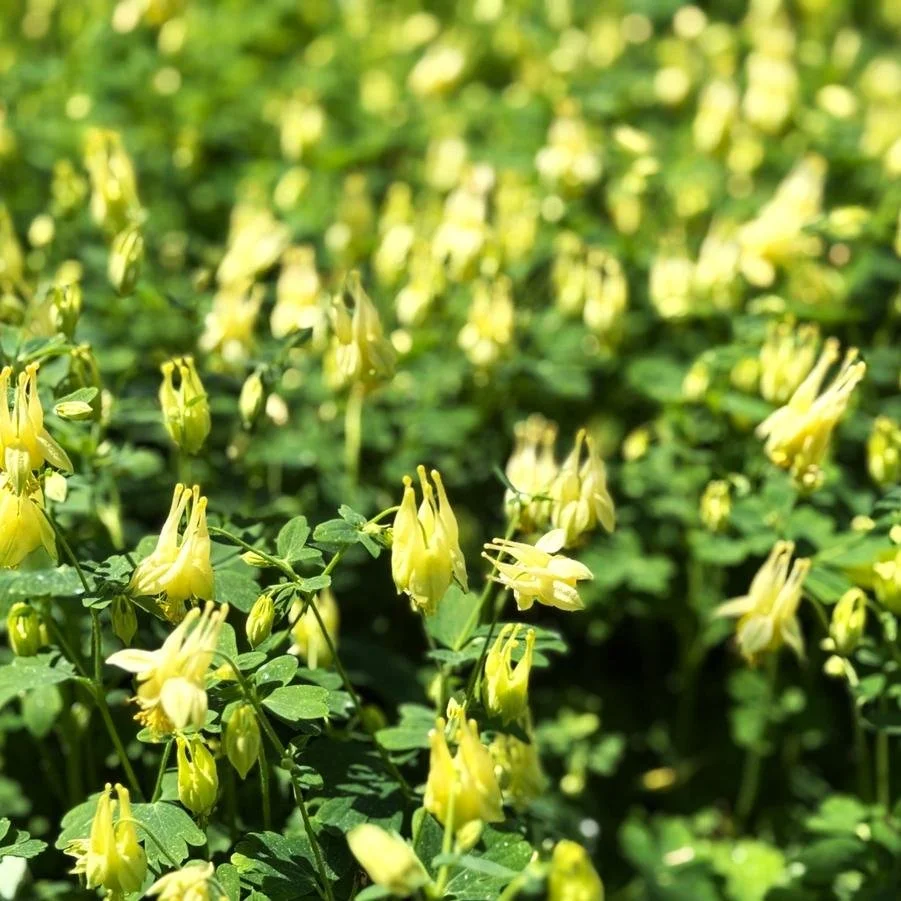 Image 2 of 2
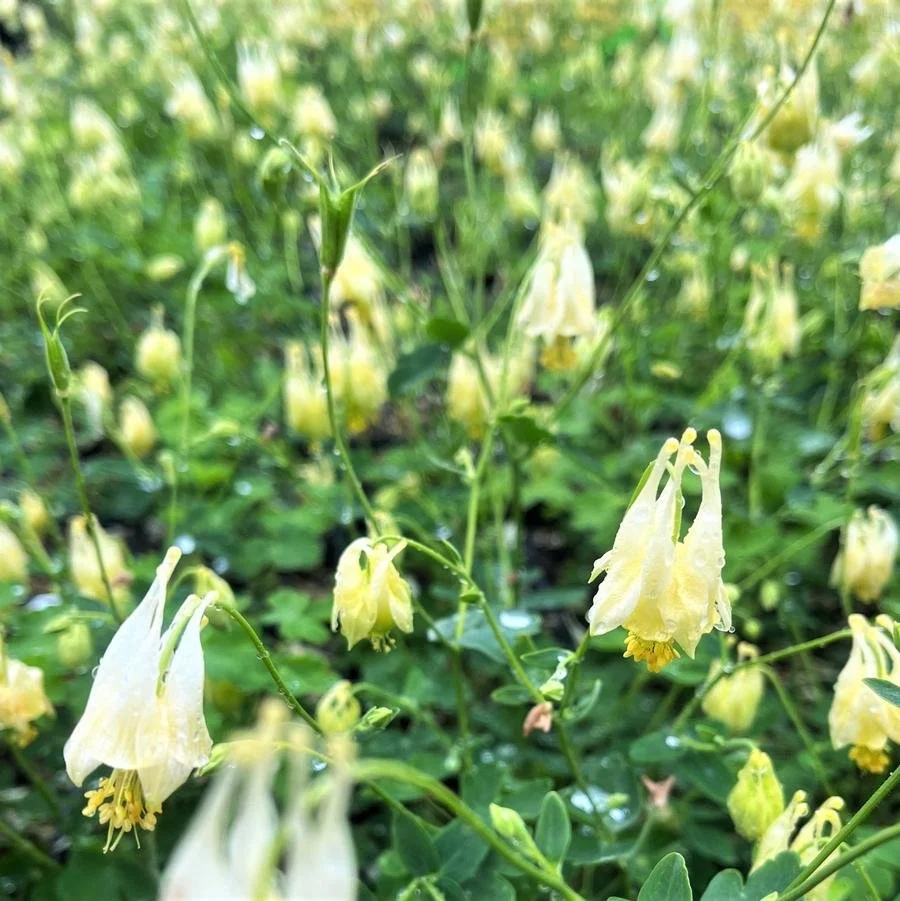
Aquilegia canadensis ‘Corbett’
Solid butter yellow flowers in April to May
Category: Perennials, Native Selection
Hardiness Zone: 3-8
Height: 12-18 in
Spread: 8-12 in
Bloom Color: Yellow
Foliage Color: Green
Easily grown in average, medium, well-drained soil in full sun to part shade. Wide range of soil tolerance as long as drainage is good. Prefers rich, moist soils in light to moderate shade. Freely self-seeds and will naturalize to form large colonies in optimum growing conditions. Remove flowering stems after bloom to encourage additional bloom. Keep soils uniformly moist after bloom to prolong attractive foliage appearance. When foliage depreciates, plants may be cut to the ground.
‘Corbett’ may be grown from seed, and will self-seed in the garden in optimum growing conditions.
Aquilegia canadensis is a native spring wildflower which occurs in rocky woods, slopes, ledges and open areas throughout the State. Features drooping, bell-like, 1-2", red and yellow flowers (red sepals, yellow-limbed petals, 5 distinctive red spurs and a mass of bushy yellow stamens). Delicate, biternate foliage is somewhat suggestive of meadow rue (Thalictrum) and remains attractive throughout the summer as long as soils are kept moist. Flowers are quite attractive to hummingbirds.
Genus name comes from the Latin word for eagle in reference to the flower’s five spurs which purportedly resemble an eagle’s talon.
Specific epithet means of Canada or also of north-eastern North America.
‘Corbett’ is a compact version of the species that grows to only 15-18” tall and features pale yellow flowers.
This species has very good resistance to leaf miner which often causes severe damage to the foliage of many other columbine species and hybrids.
It is expected that ‘Corbett’ will also have good resistance to leaf miner.
Aquilegia canadensis ‘Corbett’
Solid butter yellow flowers in April to May
Category: Perennials, Native Selection
Hardiness Zone: 3-8
Height: 12-18 in
Spread: 8-12 in
Bloom Color: Yellow
Foliage Color: Green
Easily grown in average, medium, well-drained soil in full sun to part shade. Wide range of soil tolerance as long as drainage is good. Prefers rich, moist soils in light to moderate shade. Freely self-seeds and will naturalize to form large colonies in optimum growing conditions. Remove flowering stems after bloom to encourage additional bloom. Keep soils uniformly moist after bloom to prolong attractive foliage appearance. When foliage depreciates, plants may be cut to the ground.
‘Corbett’ may be grown from seed, and will self-seed in the garden in optimum growing conditions.
Aquilegia canadensis is a native spring wildflower which occurs in rocky woods, slopes, ledges and open areas throughout the State. Features drooping, bell-like, 1-2", red and yellow flowers (red sepals, yellow-limbed petals, 5 distinctive red spurs and a mass of bushy yellow stamens). Delicate, biternate foliage is somewhat suggestive of meadow rue (Thalictrum) and remains attractive throughout the summer as long as soils are kept moist. Flowers are quite attractive to hummingbirds.
Genus name comes from the Latin word for eagle in reference to the flower’s five spurs which purportedly resemble an eagle’s talon.
Specific epithet means of Canada or also of north-eastern North America.
‘Corbett’ is a compact version of the species that grows to only 15-18” tall and features pale yellow flowers.
This species has very good resistance to leaf miner which often causes severe damage to the foliage of many other columbine species and hybrids.
It is expected that ‘Corbett’ will also have good resistance to leaf miner.